The science
behind light
therapy

Built on over 15,000 hours of research and testing, and backed by more than 6,000 clinical papers, the MOVE+ is engineered by experts and grounded in real science to deliver results you can trust.

From $84/month with

Affirm or ShopPay

HSA/FSA Eligible

The science

A simple introduction to red light therapy

Red light

  • Visible light that falls between 630 - 680 nanometers.
  • Reaches a shallower depth in the body (2mm+).
  • Stimulates collagen, improves circulation and reduces inflammation nearer the skin surface.

Infrared light

  • Near-infrared is invisible, and falls in the range of 810 to 850 nanometers.
  • Penetrates deeper into muscles, joints and tissues (5-6cm+).
  • Stimulates the production of nitric oxide for improved cellular energy and overall health.

Red light therapy uses specific wavelengths of visible red and near-infrared light. These wavelengths can be absorbed by cells and have been shown to influence processes involved in energy production, circulation, inflammation and recovery. Scientists often refer to this process as photobiomodulation, or PBM.

380 nm

660 nm

810 nm

Wavelengths within the 630-850 nm range are among the most extensively studied in research on joint pain, inflammation and musculoskeletal recovery.

Cross-section of skin showing how red light panel light reaches the tissue beneath
Cross-section of skin showing how MOVE+ light reaches the tissue beneath

Photobiomodulation

What is Photobiomodulation?

Photobiomodulation describes how specific wavelengths of red and near-infrared light interact with living tissue.

As the light passes through the skin and underlying tissue, some of it is absorbed by light-sensitive molecules within cells, triggering biological responses associated with cellular energy production, circulation, inflammatory regulation and tissue repair.

Different wavelengths travel through tissue to different depths. Red light is absorbed more readily by superficial tissue, while near-infrared light can penetrate further beneath the skin.

What's going on

in the body?

  • Red (~660 nm) and near-infrared (~808 nm) light pass through the skin and reach tissues beneath the surface. These wavelengths reach your mitochondria - the energy powerhouses of cells.

  • The light is absorbed by a key enzyme called cytochrome c oxidase, or CCO. CCO plays an important part in turning oxygen and nutrients into a usable energy currency, known as ATP.

  • Nitric oxide (NO) is a natural messenger made by your body, it helps control blood flow and cell activity. When cells are under stress, nitric oxide can bind to cytochrome c oxidase and restrict its activity. Red and near-infrared light help release this nitric oxide, allowing the enzyme to function more effectively.

    The released nitric oxide also helps blood vessels relax and widen, increasing local blood flow and supporting the delivery of oxygen and nutrients to the tissue.

  • With NO out of the way, mitochondria speed up and make more ATP - the main energy source for your cells. This additional energy supports the processes cells rely on for maintenance, repair and healthy function.

  • Light exposure also creates small changes in reactive oxygen species, calcium and other cellular messengers. These signals influence gene expression and activate wider pathways involved in inflammatory regulation, cell protection and tissue repair.

    Together, these effects help create an environment that supports recovery and more efficient cellular function.

Light penetrates your skin — illustration
Cells absorb the light — illustration
Nitric oxide is released — illustration
Cellular energy increases — illustration
Recovery pathways are activated — illustration

The evidence to date

Decades of research. Thousands of studies.

Photobiomodulation - also known as red and near-infrared light therapy - has been investigated across thousands of laboratory, animal and human studies.

More recent research has increasingly focused on randomised clinical trials, systematic reviews and meta-analyses to understand where it works best and how treatment should be delivered.

  • 9,600+Scientific papers
  • 1,651Randomised Controlled Trials
  • 2,024Human-Studied Trials

How does it work?

Powerful impacts,

backed by science

Light therapy uses specific wavelengths of red and infrared light that are readily absorbed by the cells in your body, triggering measurable effects in tissue, joints, and muscle to aid the body's natural recovery response.

  • Boosts cellular energy

  • Suppresses pain

  • Stimulates blood flow

  • Promotes tissue repair

  • Calms inflammation

  • Reduces oxidative stress

Pain Reduction

Day 1Day 30

80%

The evidence to date

Research

Summaries

Explore the clinical evidence behind photobiomodulation for some of the concerns most relevant to Kineon customers.

Growing evidence

Knee Osteoarthritis

  • Pain
  • Function
  • Range of motion

Across 50 randomised controlled trials in knee osteoarthritis, photobiomodulation has been associated with reductions in knee osteoarthritis pain and improvements in physical function, particularly when appropriate wavelengths and doses are used.

  • 50 Human randomised controlled trials
  • 94 Human studies
  • 31 Systematic reviews & meta-analyses

Growing evidence

Shoulder & rotator cuff pain

  • Pain
  • Function
  • Range of motion

Across 36 randomised controlled trials in shoulder pain and rotator-cuff conditions, most report reduced pain and improved shoulder function following photobiomodulation, with the strongest and most consistent results in rotator-cuff tendinitis and frozen shoulder.

  • 36 Human randomised controlled trials
  • 58 Human studies
  • 11 Systematic reviews & meta-analyses

Growing evidence

Tendon pain & overuse injuries

  • Pain
  • Function
  • Grip strength

Across 51 randomised controlled trials in tendon and overuse conditions, most report reduced pain and improved function following photobiomodulation, with the most consistent results in plantar fasciitis and tennis elbow.

  • 51 Human randomised controlled trials
  • 107 Human studies
  • 24 Systematic reviews & meta-analyses

Early evidence

After knee replacement

  • Pain
  • Range of motion
  • Swelling

A small group of recent trials reports less pain, better knee flexion and reduced swelling in the weeks following total knee replacement. Three months after surgery, participants could bend the treated knee substantially further.

  • 5 Human randomised controlled trials
  • 8 Human studies
  • 1 Systematic reviews & meta-analyses

Growing evidence

Low back pain

  • Pain
  • Function
  • Range of motion

Across 40 randomised controlled trials in chronic low back pain, most report reduced pain and improved everyday function following photobiomodulation.

In one randomised trial, pain scores fell 57% over a course of treatment - compared with 19% in the placebo group.

  • 40 Human randomised controlled trials
  • 58 Human studies
  • 8 Systematic reviews & meta-analyses

Early evidence

Inflammation & repair

  • Pain
  • Inflammatory markers
  • Recovery

Twelve randomised controlled trials in joint and muscle conditions have measured inflammatory markers in the blood alongside pain and recovery. In a randomised placebo-controlled trial, levels fell 27% further in the treated group than in the placebo group after a single session.

  • 5 Human randomised controlled trials
  • 8 Human studies
  • 1 Systematic reviews & meta-analyses

Summary

Light therapy has been studied in people for more than thirty years, building a substantial body of research across pain, inflammation and recovery.

While results vary, one pattern is clear: the details matter. Wavelength, dose, placement, treatment time and frequency all influence how much light reaches the target tissue to produce a meaningful effect.

Much of the variation between studies comes down to the treatment parameters and how the light was delivered, highlighting the importance of precise, targeted treatment.

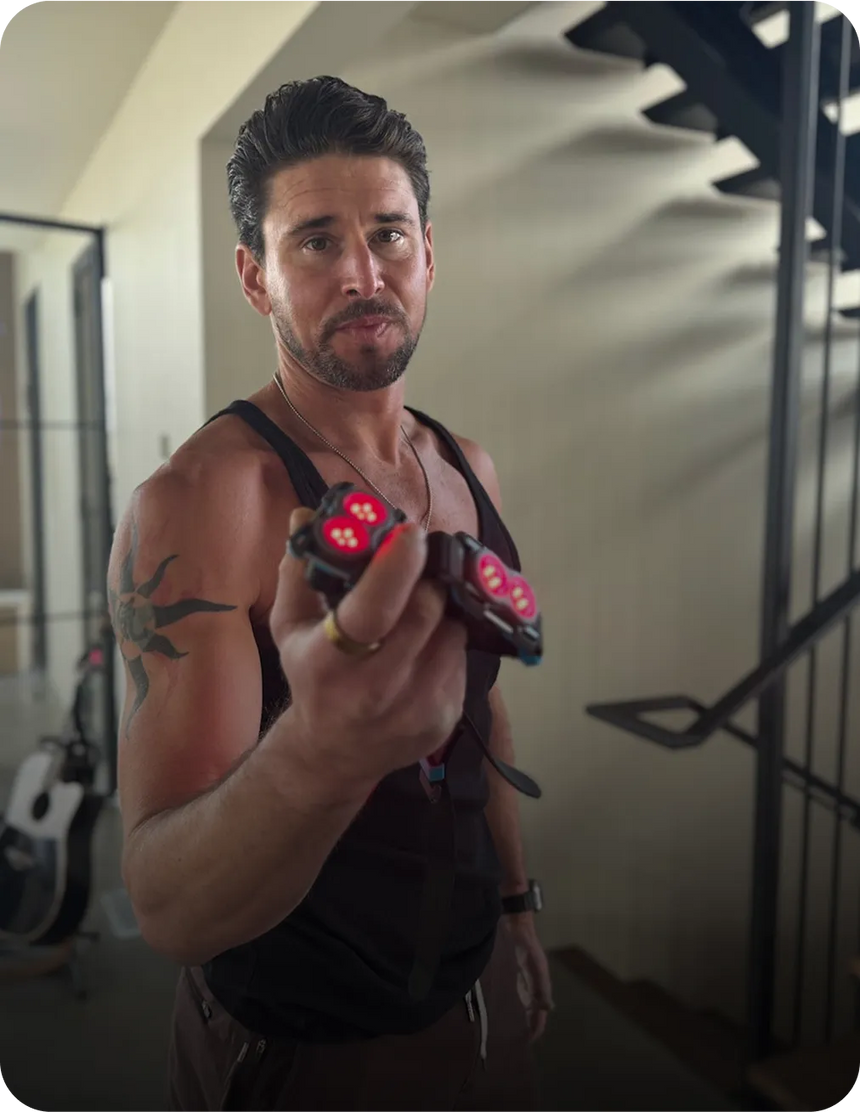
MOVE+ device shown with its strap and modules MOVE+ device shown with its strap and modules

What is the MOVE+?

Clinically-backed red light therapy for pain relief and recovery

  • Targeted

    Combines medical-grade LED and laser technology to penetrate light deeper into tissues, delivering faster, more effective pain relief.

  • Portable

    Lightweight, travel-friendly, and battery-powered, so you can stay consistent with your recovery.

  • Wearable

    The MOVE+ is fully wearable and hands-free, so you can enjoy effective, targeted pain relief while you get on with your day.

  • Versatile

    Designed to target pain and speed up recovery on any area of the body, including your shoulder, knee, elbow, ankle, wrist, hip, or back.

Designed to deliver light where it matters

A light therapy device can produce plenty of power at the surface, but that doesn't mean the same amount reaches the joint, muscle or tendon beneath it.

MOVE+ was developed using advanced 3D photon modelling to simulate how light travels through the body and reaches tissue beneath the skin.

By starting with the light stimulus required at depth and working backwards, MOVE+ optimises how light is delivered to the target tissue. The result is a more precise, consistent dose where it matters most.

The right wavelengths

MOVE+ combines 660 nm red light for broader surface coverage with targeted 808 nm near-infrared lasers designed to reach deeper tissue.

Closer to the target

The modules sit directly against the skin and can be positioned around the treatment area, reducing the light lost through distance or poor alignment.

A more consistent dose

The wearable design keeps the light securely in place, helping deliver a repeatable treatment to the intended area every time you use it.

Trusted by

Trusted by healthcare professionals

Recommended by 612 Clinicians

Backed by Athletes From

Ben Greenfield

Biohacker, nutritionist, physiologist, fitness coach, bestselling author


This red-light therapy device from Kineon, is a complete GAME CHANGER. In just a few short days, you could be on your way to living with a lot less pain.

Thomas DeLauer

Nutrition and Business Performance Coach


Impressive technology. I legit only like to work with brands that put science first. Kineon's ability to harness the power of red light therapy into a laser is an amazing example of their unique innovation. Impressive pain relief on the spot!

Dr. Kelly Stone

Doctor of Physical Therapy & Crossfit Athlete


The MOVE+ is a phenomenal tool that allows me to train harder and recover faster. I've reduced pain and improved my mobility. I love that I can use it on the go and take it with me to training or use it in my practice. I've incorporated it into my daily routine and recommend it to patients.

Sam Dancer

CrossFit Fittest On Earth (35-39)


I've used $30-$60k class 4 lasers, $5000 Red Light panels and yet the Move+ is my preferred and most used product. The Move+ has completely replaced my need for Ibuprofen. I attribute a great deal of my ability to heal so rapidly from a full biceps rupture surgery to the Move+. In 6 months I went from surgery to being ranked the fittest 35-39 year old in the world.

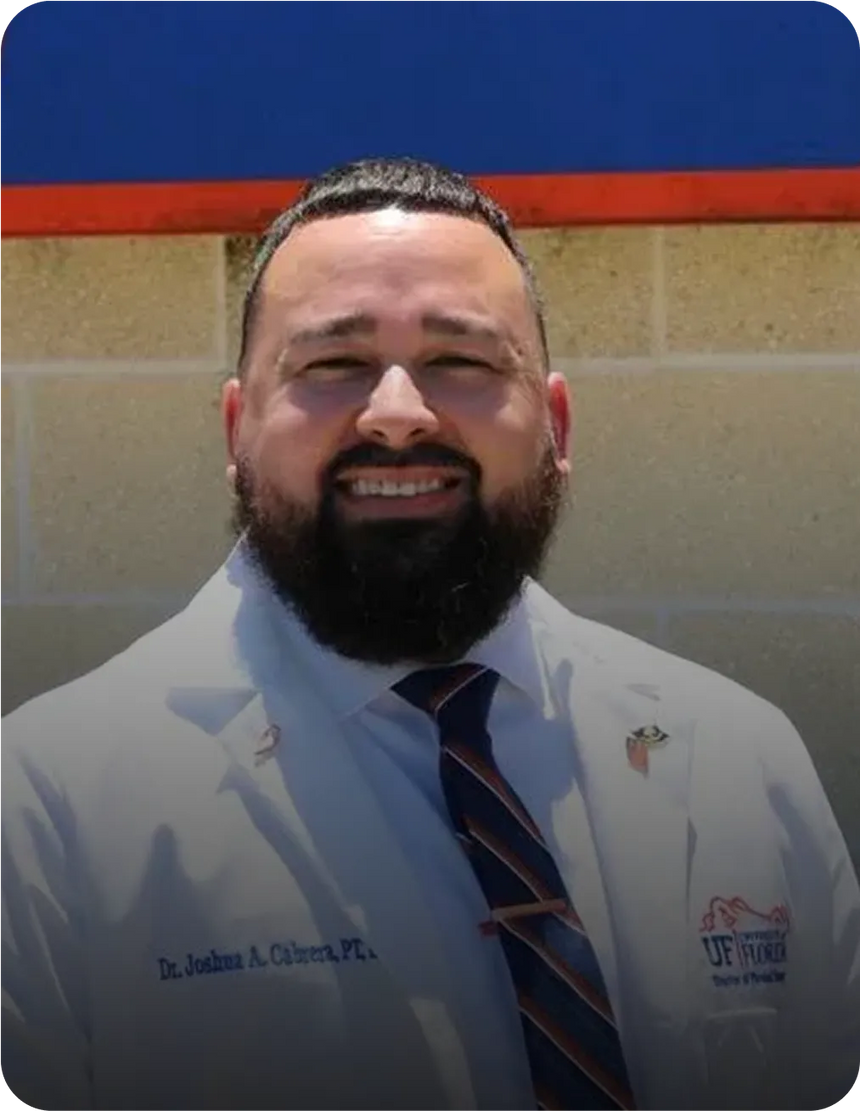
Dr. Joshua Cabrera, PT, DPT

Owner and founder of Resiliency Physical Therapy


Amazing product! As a Doctor of Physical Therapy I strive to find ways to help my patients relieve their pain as quickly as possible. Since find the Move + Pro I have been getting amazing results with reducing inflammation, pain reduction, improving recovery from strenuous workouts, and decreasing arthritic symptoms. This has truly been a game changer for my practice!

Dr. Zach Colls PT, DPT, CSCS, USA-W

Doctor of Physical Therapy, Certified Strength and Conditioning Specialist and USA Weightlifting Coach


The MOVE+ is the perfect addition to compliment treating patients. Has been a game changer both in the facility and personally to help optimize muscular and joint recovery.

Photobiomodulation studies

Research library

Explore the studies behind the science, with plain-English summaries, key findings and links to the original research.

Sciatica
Neuropathy
PMID: 20358337
15 March 2010

Effect of near-infrared light-emitting diodes on nerve regeneration

In this study, LED irradiation improved nerve regeneration and increased antioxidation levels in the chamber fluid. Therefore, we propose that antioxidation induced by LEDs may be conducive to nerve regeneration.

Motoi Ishiguro, Kazuo Ikeda
Back
PMID: 32273951
15 March 2020

Evaluation of the Therapeutic Effect of Low Level Laser in Controlling Low Back Pain: A Randomized Controlled Trial

Significant improvement in spinal pain, function, range of motion, and tenderness

Leyla Kholoosy, Dariush Elyaspour
Sciatica
Neuropathy
PMID: 24338500
11 December 2013

In vitro and in vivo optimization of infrared laser treatment for injured peripheral nerves

This study establishes that infrared light with optimized parameters promotes accelerated nerve regeneration and improved functional recovery in a surgically repaired peripheral nerve.

Juanita J Anders, Helina Moges
Chronic pain
PMID:34913330
16 Dec 2021

Low-intensity LASER and LED (photobiomodulation therapy) for pain control of the most common musculoskeletal condition

The results demonstrated a 50% improvement in reported pain scores at treatments 10 and 12. In addition, a significant increase in physical functioning was seen and was maintained through the 30 days follow-up visit.

Marcelo F DE OLIVEIRA, Douglas S JOHNSON
Back
PMID: 24511189
30 September 2012

Low Level Laser Therapy for Patients with Cervical Disk Hernia

LLLT was an effective form of treatment for neck and back pain caused by cervical disk hernia

Hiroshi Takahashi, Ikuko Okuni
Knee
ISRCTN24203769
28th Feb 2011

Low Level Laser Therapy in meniscal pathology

In meniscal tear patients, there was a 65% reduction in pain in the LLLT (laser) group - vs. 22% in the placebo group after just 4 weeks of therapy. That’s a 43% greater decrease in pain thanks to laser therapy.

After 6 months, only 6.25% of patients reported recurring pain; even at 1 year, just 15.6% had recurrence

Malliaropoulos N et al
Osteoarthritis
Knee
1800-1817
30 March 2023

Photobiomodulation for knee osteoarthritis: a model-based dosimetry study

In this study, an example knee phototherapy device was compared with The MOVE+ Pro for treating knee osteoarthritis (KOA) with light therapy. The combination of (1) adjusted optical power between LEDs and lasers to balance the therapeutic dose within the tissue, (2) easy changes to the illuminated position and (3) flexibility might make MOVE+ a better solution.

Zefeng Feng, Peipei Wang
Shoulder
08 June 2023

Photobiomodulation self-treatment at home after rotator cuff arthroscopic repair accelerates improvement in pain, functionality, and quality of life: A double-blind, sham-controlled, randomized clinical trial

At 6 months after rotator cuff surgery, patients using photobiomodulation (PBM) reported a 41-point reduction in pain, compared with 23 points in the sham group - showing 78% greater pain improvement over the same recovery period. 

Rabie Abufoul MD
Hip
PMID: 29909435
16 Jun 2018

Photobiomodulation therapy (PBMT) on acute pain and inflammation in patients who underwent total hip arthroplasty-a randomized, triple-blind, placebo-controlled clinical trial

In hip arthroplasty patients, the light therapy group experienced significantly decreased pain that was 82% greater than placebo immediately following surgery.

Luciana Gonçalves Langella et al.
Back
PMID: 26667480
15 Dec 2015

The effectiveness of low-level laser therapy for nonspecific chronic low back pain: a systematic review and meta-analysis

Pain outcome score after treatment was significantly lower in the LLLT group compared with placebo

ZeYu Huang, Jun Ma
Quiz

Your path to lasting joint pain relief

From injury rehab to daily pain relief - find out if it's right for you in under a minute.

Take The Quiz

Targeted relief without the trade-offs

Most common pain relief options come with compromises. MOVE+ delivers targeted light therapy designed for convenient, non-invasive support at home.

FEATURE
MOVE+
PAINKILLERS
RED LIGHT PANELS
INJECTIONS
Joint-Level Treatment
Safe, Non-Invasive
Long-Term Relief
Portable + Convenient
Supports Joint Health
Stimulates Repair
Supported by Clinical Studies

Meet the technical team

Meet the scientists and product experts helping turn photobiomodulation research into technology that is helping thousands move pain-free.

  • Forrest Smith, CEO/Founder

    Forrest Smith

    CEO/Founder

    20+ yrs founding and scaling hardware startups across the US and China, multiple acquisitions (incl. Illumitron → Cooper Lighting). Fluent Mandarin; Georgia Tech. Lifelong rugby, CrossFit, football, athlete — the reason our first device exists.

  • Dr. Chris Bohler, CTO

    Dr. Chris Bohler

    CTO

    PhD in Atomic, Molecular & Optical Physics. 35+ yrs in solid-state emitter/detector tech across lighting, display, and defense (Eaton, GE, Texas Instruments). 43 patents, 600+ product launches; former President, Dallas IEEE Lasers & Electro-Optics Society.

  • Evan Peikon, Head of Physiology

    Evan Peikon

    Head of Physiology

    Scientist at the intersection of human health and performance. Co-founder & Chief Bioscientist at NNOXX (wearable muscle-oxygen/NO biosensors); bioinformatics PhD candidate and NASA GeneLab researcher. Previously applied physiologist to pro teams, CrossFit Games athletes, and US military units.

  • Juan Bautista Ward, Industrial Design Lead

    Juan Bautista Ward

    Industrial Design Lead

    Owns Industrial Design Concept and Development for Kineon’s wearable medical technology. A Universidad de Buenos Aires Industrial Design graduate, he brings experience across medical devices and health technology, including conceptual work on cardiac stents, alongside award-winning product design recognised by A’ Design Award and Yanko Design.

  • Joseph Lee, Electrical Engineering Lead

    Joseph Lee

    Electrical Engineering Lead

    Joseph leads Electrical Engineering at Kineon, bringing nearly a decade of experience in electronics and hardware development. A graduate of Olin College of Engineering, he has spent the past four years driving the electrical systems behind Kineon’s medical technology, overseeing everything from schematic and pinout decisions to hardware and firmware integration.

  • Mary Lee, App Lead and Relief+ Tech Lead

    Mary Lee

    App Lead & Relief+ Tech Lead

    Mary leads Application Development at Kineon, combining her background in computer science with years of experience as a stretching coach. She brings firsthand understanding of mobility and recovery into product development, helping shape intuitive technology that works seamlessly across hardware, firmware, and software to deliver effective, real-world solutions for Kineon customers.

Engineered for Results

Technology You Can Trust.

At Kineon, we're driven by one goal: to empower people with science-backed tools that truly improve lives.

Our flagship device, the MOVE+, is the result of over 15,000 hours of research, engineering, and real-world testing by our in-house team. Shaped by cutting-edge science and feedback from thousands of users, our products are constantly refined to ensure they're not just innovative — they're effective.

When you choose Kineon, you're investing in clinically informed technology built to last and deliver real results.

FAQ

Answers that help you decide with confidence